





Does acquiring basic digital skills improve your professional situation? New evidence from Poland

Does acquiring basic digital skills improve your professional situation? New evidence from Poland

A new study using panel data from Poland tests whether acquiring basic digital skills leads to better labor market outcomes — and finds that, for most adults, it does not. The reasons may surprise you.
TEACHER KNOWLEDGE SURVEY TALIS 2024—results of the new study

TEACHER KNOWLEDGE SURVEY TALIS 2024—results of the new study

On April 22, the results of the OECD’s international study on teachers’ knowledge about the education profession were announced. Portugal achieved the highest average score. Poland ranked second alongside Croatia and the United States.
Seminar by Dr. Rolf Strietholt on shaping education policy

Seminar by Dr. Rolf Strietholt on shaping education policy

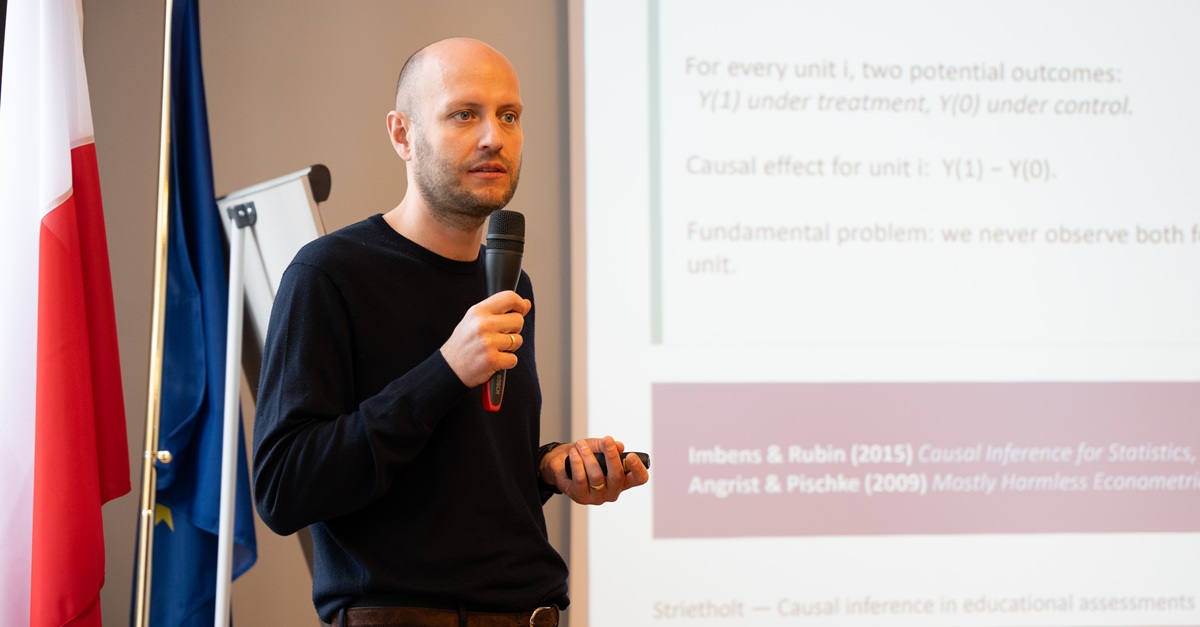
“As researchers, we must take action: consider new evidence, analyse studies, apply different approaches, and then gather the best available data using the largest international datasets,” says Dr. Rolf Strietholt, a world-class...

Poland at the Skills Summit 2026 in Istanbul. Reform26 at the centre of the OECD debate

Poland at the Skills Summit 2026 in Istanbul. Reform26 at the centre of the OECD debate

How can we prepare young people for the labour market of the future? This question dominated the Skills Summit 2026 in Istanbul. Deputy Minister Katarzyna Lubnauer and IBE PIB Director Dr. Maciej Jakubowski participated in the OECD summit.

SQFs are developed with the active support of IBE experts who are working on the development of the Integrated Qualifications System in Poland.

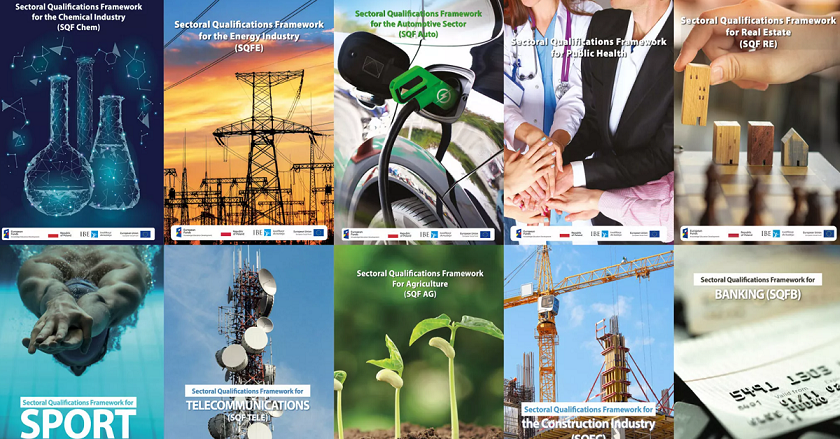
We invite you to take a look at the IQS publications that have been thus far translated into English. The majority of the publications are Sectoral Qualifications Frameworks for specific industries.

SQFs (Sectoral Qualifications Frameworks) are a further elaboration of the Polish Qualifications Framework “translated” into the language of a specific sector or industry. They are intended to help identify and fill competence gaps. Developing SQFs serves as an integrating role for the wide range of stakeholders associated with a given industry. They contribute to the objectives of promoting lifelong learning and increasing the employability, mobility and social inclusion of workers and learners.