

ABOUT THE EDUCATIONAL RESEARCH INSTITUTE
– NATIONAL RESEARCH INSTITUTE
We are a state research institute conducting interdisciplinary scientific research and development work in the fields of education, social sciences, humanities, exact sciences and natural sciences.
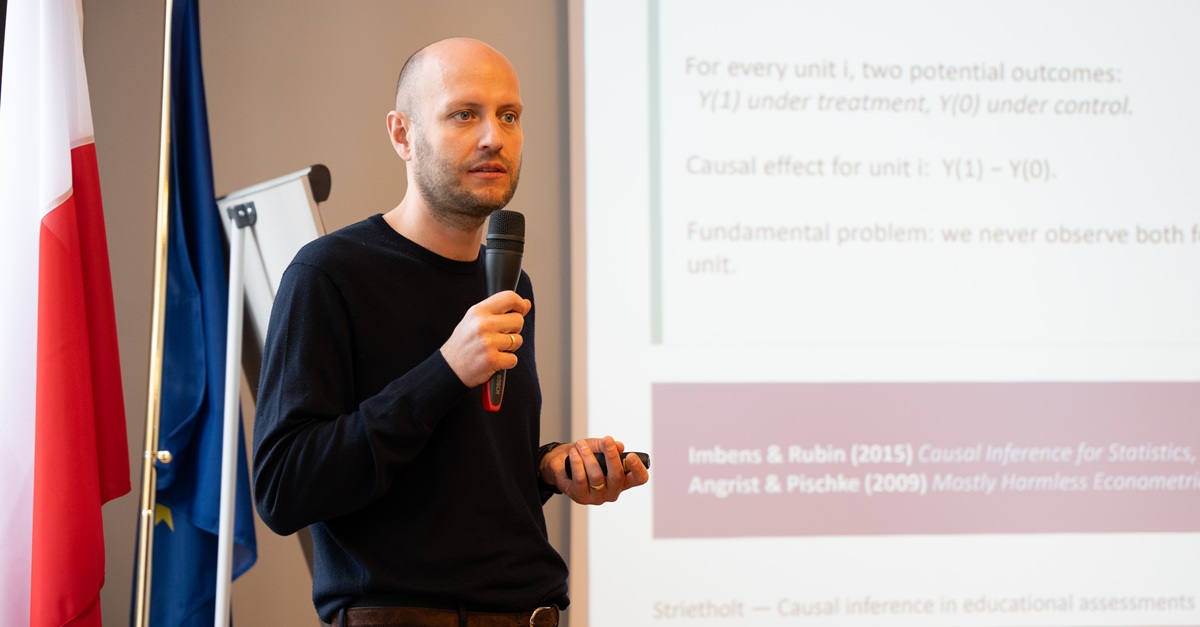
We support broadly understood educational policy and practice. We have repeatedly proven ourselves as an initiator, leader and scientific partner in important projects, both national and international. Our experts participate in key research projects, prepare reports and expert opinions, and perform advisory functions.
Our focus is on the organisation and effectiveness of the education system, as well as on the role of the family and other participants in the educational process. We actively develop solutions that support lifelong learning.
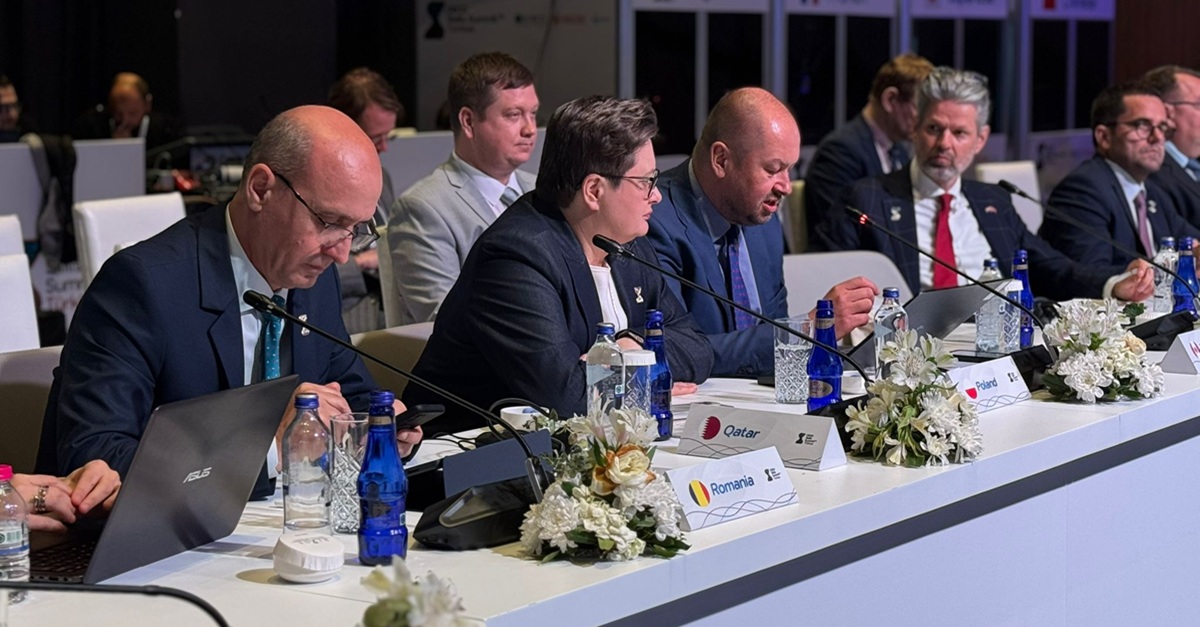
We work closely with the Ministry of National Education, public administration and local government representatives. Our cooperation network also includes schools, non-governmental organisations, universities, national and international research centres and international organisations.
Our partners include the world's leading educational organisations:
■ OECD (Organisation for Economic Co-operation and Development)
■ IEA (International Association for the Evaluation of Educational Achievement)
■ UNICEF (United Nations Children's Fund)
■ CEDEFOP
We also cooperate with the Education IT Center, the Central Examination Board and the Centre for Education Development.